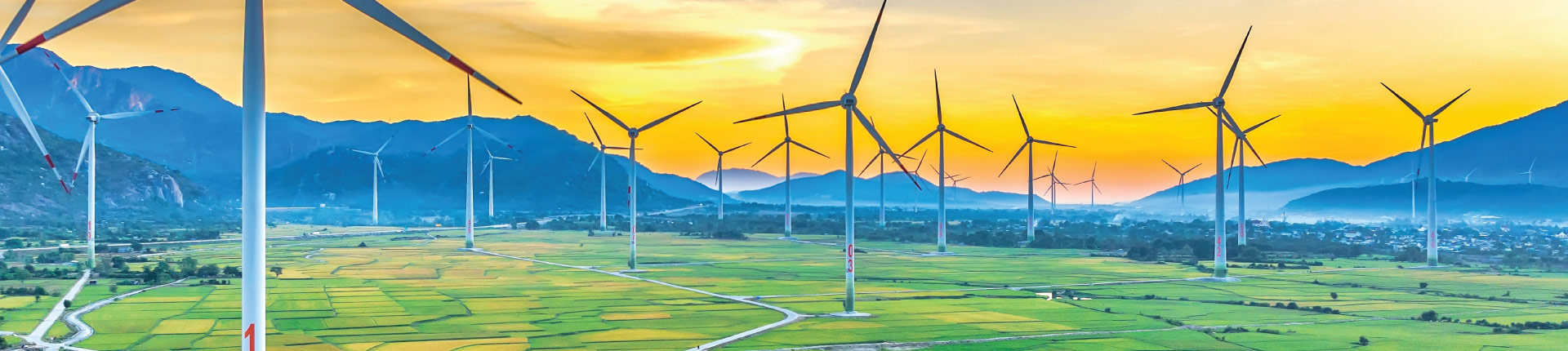
Renewable ideas building the energy transition
Australia is undergoing a rapid and transformative energy transition, shifting from traditional fossil‑fuel‑based generation to a low‑emission, renewables‑led power system. The country’s vast natural resources, particularly its world‑class solar and wind potential, position it at the forefront of the global move towards clean energy, with wind, solar, hydro and emerging technologies such as energy storage and hydrogen playing an increasingly central role in the National Electricity Market (NEM).
As Australia modernises its grid and pursues ambitious emissions‑reduction targets, a growing suite of policies, technologies and market mechanisms are reshaping how energy is generated, distributed and consumed. This glossary introduces key renewable energy and energy‑transition terms used in the Australian context, helping readers navigate the evolving landscape of clean‑energy infrastructure, incentives, regulation and investment that underpin the nation’s pathway to net zero.
Renewable glossary
Ancillary services: Ancillary services are the technical services that keep the electricity grid stable and secure. This includes frequency control, voltage support and system‑restart capability. Australia’s National Electricity Market (AEMO) procures these services from generators, batteries and demand‑response assets to maintain reliability as more wind and solar enter the system. This is driving demand for grid‑stability engineers, system‑operations specialists and energy‑market analysts with expertise in ancillary‑services markets.
Australian Capital Territory Renewable Energy Target: The ACT successfully achieved 100% renewable energy in 2020 through reverse auctions for wind and solar farms, becoming the first jurisdiction outside of europe to do so. The Australian capital is now targeting net zero by 2045 with ongoing contracts‑for‑difference that deliver low wholesale prices.
Australian Carbon Credit Unit: An Australian Carbon Credit Unit (ACCU) is a government‑issued, tradable certificate representing one tonne of carbon dioxide equivalent (tCO₂‑e) that has been either avoided or sequestered by an eligible emissions‑reduction project. ACCUs are central to the national carbon‑market framework, supporting initiatives such as reforestation, soil‑carbon farming, methane capture and energy‑efficiency upgrades and are used by businesses and high‑emitting facilities to meet obligations under the safeguard mechanism or voluntary climate‑commitment programs. This evolving carbon‑and‑offsets ecosystem is creating demand for carbon‑project managers, sustainability consultants, compliance specialists and carbon‑market analysts who can quantify, verify and trade ACCUs within the broader energy‑transition and climate‑policy landscape.
Australian Energy Market Operator: The Australian Energy Market Operator (AEMO) is the independent body that manages Australia’s electricity and gas markets and power systems, ensuring secure, reliable and affordable energy for consumers. AEMO operates Australia's National Electricity Market (NEM), the Wholesale Electricity Market (WEM) in Western Australia and key gas markets, while also leading long‑term planning for grids and transmission infrastructure to support the transition to renewables. Roles associatted with the AEMO include market‑operations specialists, power‑system engineers, energy‑market analysts and policy‑focused planners who understand how rules, dispatch and grid‑security mechanisms interact in real time.

Battery Energy Storage Systems (BESS): A Battery Energy Storage System (BESS) is a grid‑connected or behind‑the‑meter system that stores electricity in batteries for later use, helping to balance supply and demand on the power system. In Australia, BESS is playing an increasingly central role as the National Electricity Market by integrating more wind and solar, with large‑scale batteries providing fast‑response frequency control, peak‑shaving and energy arbitrage to support grid stability and replace retiring coal‑fired plants. This is creating demand for roles such as battery‑storage engineers, grid‑integration specialists, energy‑market traders and project‑managers who understand how BESS interacts with FCAS, renewables and distribution networks.
Biomass power: Biomass is renewable organic material derived from plants, animals and their by‑products, which can be converted into heat, electricity or biofuels. Across Australia, biomass from sources such as sugarcane bagasse, forestry residues and organic waste already contributes around 29% of renewable energy consumption, mainly in regional industrial heat and power applications, though its overall share of the national energy mix remains modest compared with solar and wind. Biomass projects require a variety of roles including bioenergy engineers, biomass technologists, sustainability consultants and plant‑operations specialists who can design efficient, low‑carbon biomass‑to‑energy systems that align with waste‑management and circular‑economy objectives.
Clean energy: Clean energy is a broad term which refers to energy sources and technologies that generate electricity or other forms of power with minimal or no greenhouse‑gas emissions across their operating life. It incorporates sources such as solar, wind and hydro and sometimes low‑carbon options like nuclear or bioenergy. In Australia, clean energy accounts for close to 40% of total electricity generation and is central to federal and state targets which seek to reshape the National Electricity Market and achieve net‑zero emissions by 2050. This shift is creating demand for roles like clean‑energy policy analysts, renewable‑project developers, grid‑integration specialists and energy‑transition consultants who can bridge policy, technology and investment in the country’s rapidly evolving power system.
Coal phase-out: Coal phase‑out is the planned reduction and eventual closure of coal‑fired power stations and other coal‑based energy infrastructure, usually driven by climate‑policy targets and the rise of cleaner alternatives. This process is reshaping the National Electricity Market in Australia, with coal‑fired generation expected to fall sharply throughout the 2030s as renewable‑energy capacity grows and aging plants retire, prompting major investment in transmission, storage and diversified generation. This transition is increasing demand for roletypes inclduing energy‑transition planners, grid‑integration specialists, closure‑and‑rehabilitation engineers and workforce‑transition advisers who can help coal‑dependent regions move into renewables, hydrogen, storage and low‑emissions industrial projects.
Demand response: Demand response is a coordinated approach where electricity users temporarily reduce or shift their energy consumption in response to grid‑level signals or price changes, helping to balance supply and demand on the power system. Demand response is increasingly used by the Australian Energy Market Operator (AEMO) and retailers to manage peak‑load stress, integrate more renewables and avoid costly network upgrades, with large‑scale and distributed‑energy programs incentivising industrial, commercial and household participants.
Distribution network service provider: A Distribution Network Service Provider (DNSP) is the regulated business responsible for owning, operating and maintaining the electricity distribution network that delivers power from transmission lines to homes, businesses and end users. Within Australia’s National Electricity Market, DNSPs manage poles, wires, transformers and substations across regional areas, increasingly integrating rooftop solar, batteries and electric vehicles while navigating regulatory frameworks set by the Australian Energy Regulator (AER).
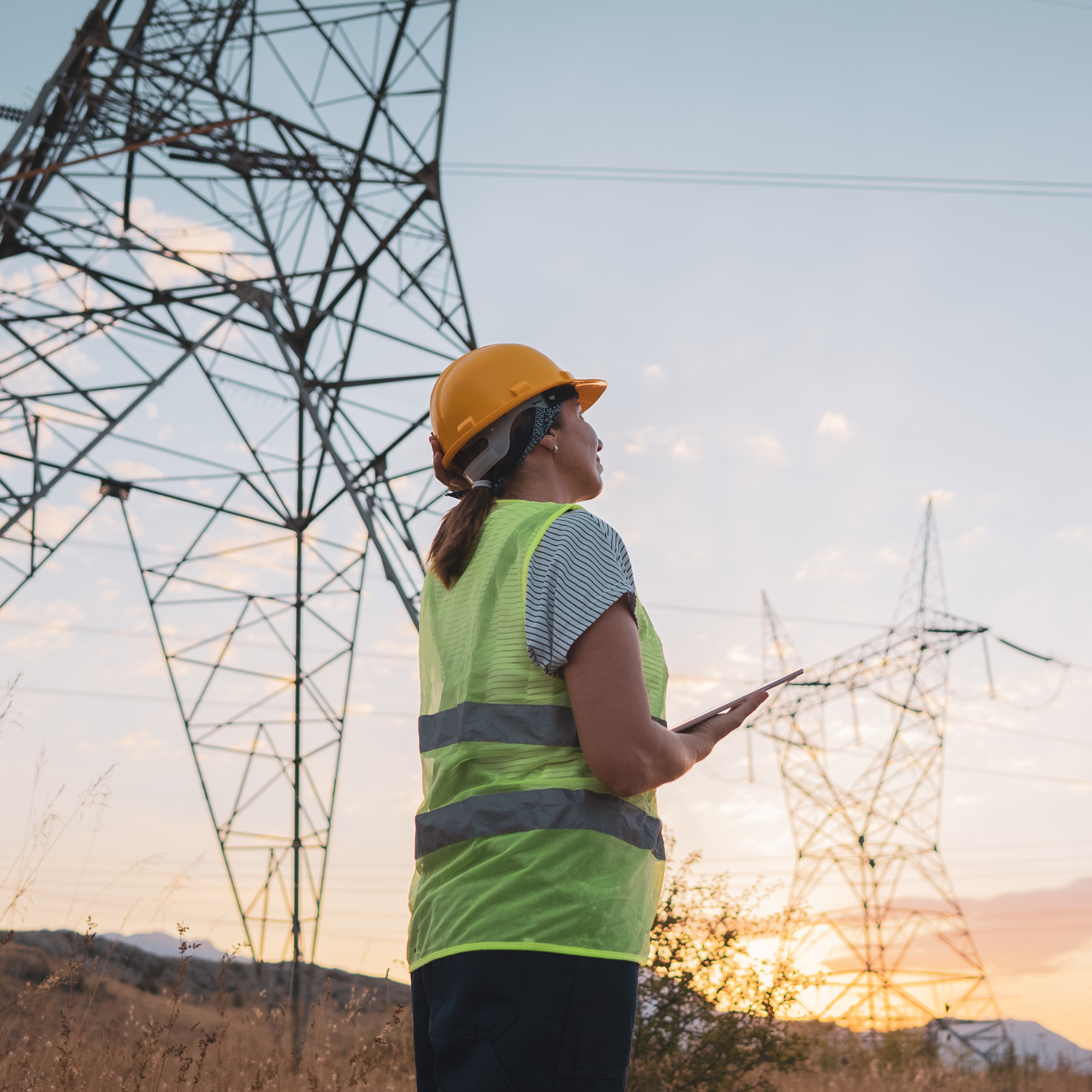
Energy grid: An energy grid is the interconnected network of power stations, transmission lines, substations and distribution systems that generates, transports and delivers electricity from producers to consumers. Across Australia’s National Electricity Market, the grid spans over 40,000km of high‑voltage lines serving nine million customers. This evolution is driving demand for grid‑planning engineers, transmission‑system operators, renewable‑integration specialists and network‑reliability analysts who ensure stability amid the shift to clean energy.
Energy independence: Energy independence is the ability of a country, region or individual to meet its energy needs primarily through domestic or local resources, reducing reliance on imported fuels and enhancing security and resilience. This shift toward energy independence is boosting demand for roletypes including renewable‑energy planners, energy‑security analysts, policy‑and‑economics specialists and community‑energy developers who can design self‑reliant systems for regions and businesses.
Feed-in tariff: A feed‑in tariff (FiT) is a payment made by electricity retailers to solar system owners for excess electricity generated and exported back to the grid, typically credited per kilowatt‑hour (kWh). Within Australia’s residential solar boom, state‑based minimum FiTs and competitive retailer offers (often 5–12 c/kWh) have driven over three million rooftop installations, helping to offset household bills and support grid stability through distributed renewables.
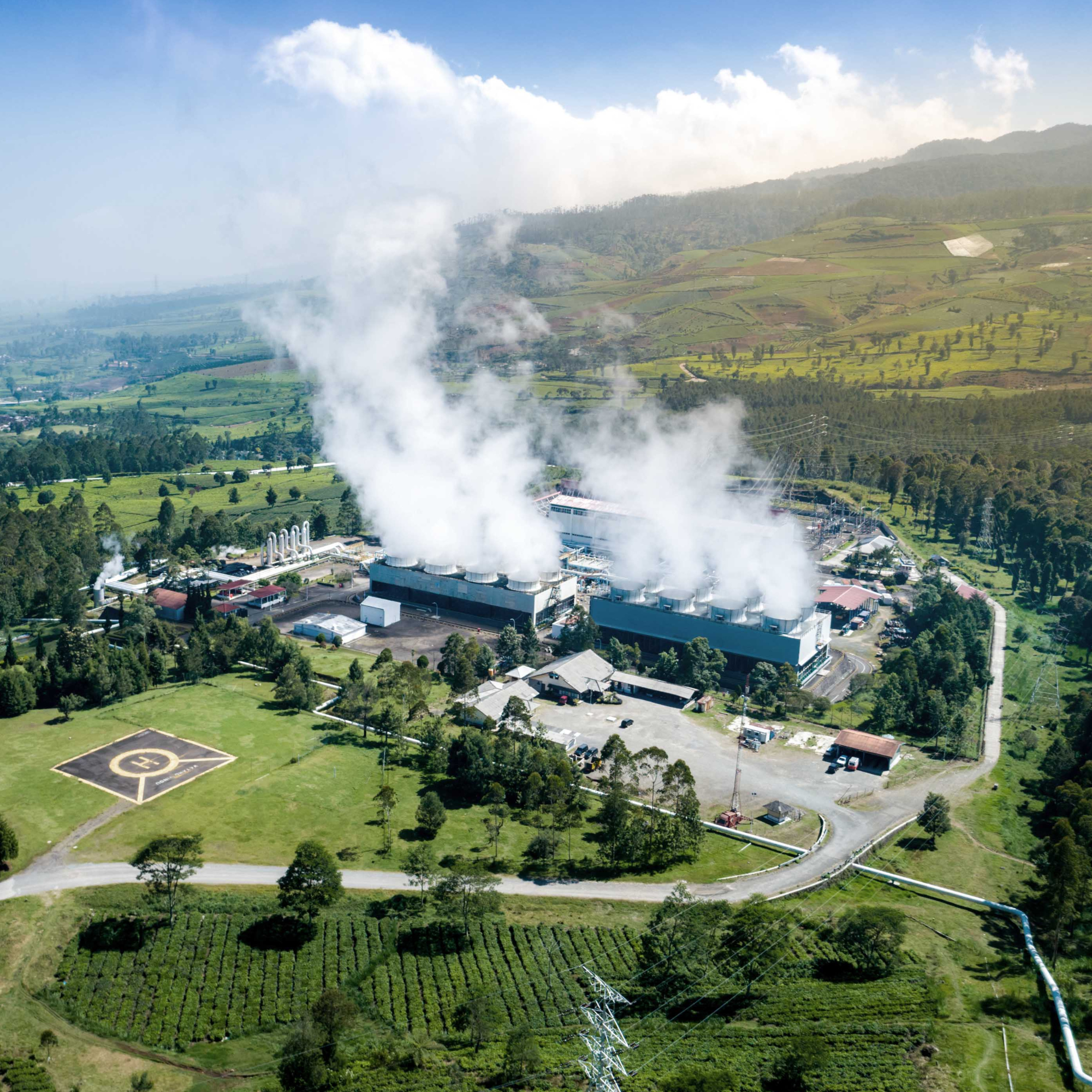
Geothermal power: Geothermal energy harnesses heat from the Earth’s interior to generate electricity, provide heating or cooling through systems like ground‑source heat pumps. While geothermal energy is utilised in other regions, in Australia, it remains an underdeveloped source for large‑scale power, despite promising hot‑rock resources in basins like Perth and Otway. Roletypes typically needed for this form of energy production include geothermal engineers, drilling‑and‑exploration specialists, heat‑pump installers and resource‑assessment geoscientists who can advance viable projects in regional and urban settings.
Gigawatt: A gigawatt (GW) is a unit of power equal to one billion watts (10⁹ W) or one thousand megawatts, commonly used to measure the capacity of large power plants, wind farms or solar installations.
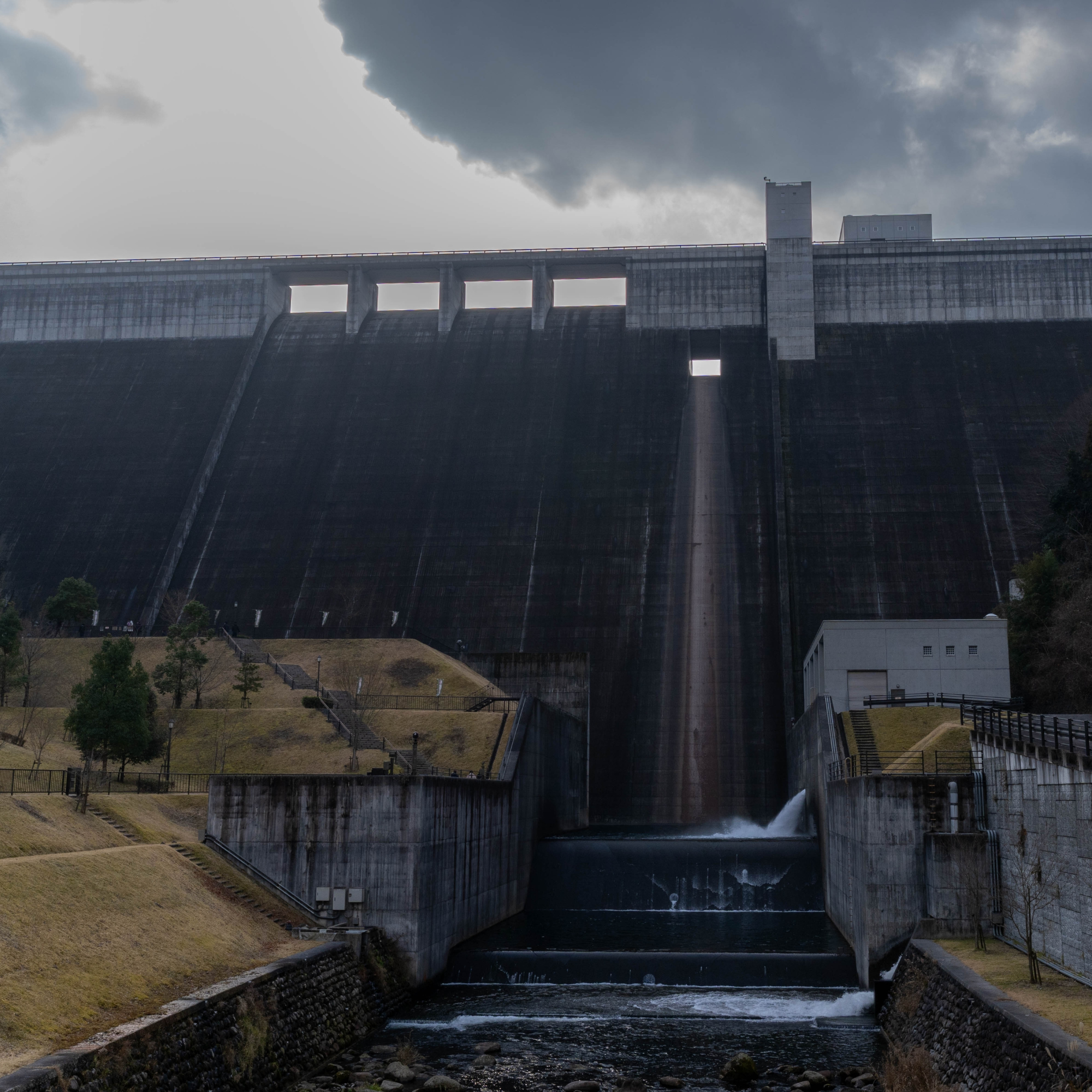
Gravity dam: A gravity dam is a massive concrete or masonry structure that holds back water primarily through its sheer weight and frictional resistance against the foundation, converting the stored water’s potential energy into hydroelectric power. Across Australia, gravity dams like Warragamba in New South Wales and Wivenhoe in Queensland provide critical water storage and hydropower capacity, forming part of the nation’s longstanding hydro infrastructure despite limited new builds due to environmental and site constraints. Gravity dams typically require specialised skillsets including hydro‑structural engineers, dam‑safety specialists, operations‑and‑maintenance technicians and environmental‑compliance managers who ensure long‑term reliability and adaptation to modern energy needs.
Green building certification: Green building certification is a voluntary rating system that evaluates and recognises buildings for their sustainability performance across factors like energy efficiency, water use, materials, indoor environmental quality and site impact. Within Australia, leading schemes such as Green Star from the Green Building Council of Australia (GBCA) and NABERS (National Australian Built Environment Rating System) set benchmarks for design, construction and operations, driving market demand for high‑performance buildings that reduce emissions and operational costs.
Green hydrogen: Green hydrogen is hydrogen gas which is most commonly produced by electrolysing water using a renewable electricity orginating from sources such as solar or wind. To be deemed 'green' hydrogen this energy must be produced with zero or near‑zero carbon emissions across its lifecycle. In Australia, green hydrogen is positioned as a cornerstone of the national energy strategy, with a pipeline of over 100 projects and over $17 billion commited to hydrogran support by the Australian Government. This sector is creating significant demand for skillsets including hydrogen‑production engineers, electrolyser technicians, project‑developers and supply‑chain specialists who can scale low‑cost production and integrate it into renewables‑dominated grids.
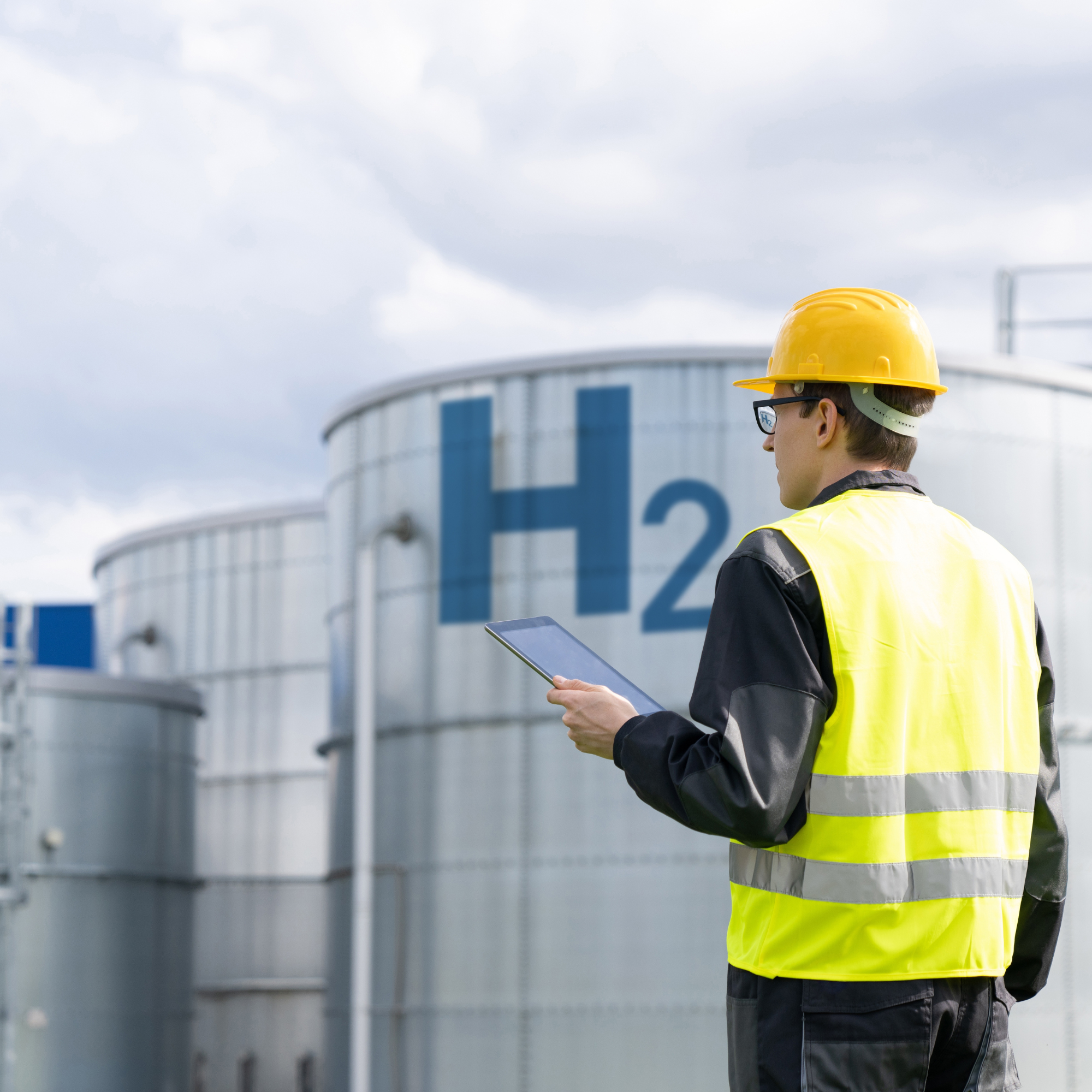
Hydrogen and fuel cell energy: Hydrogen energy refers to the use of hydrogen gas as an energy carrier, stored and converted into electricity, heat or motive power via fuel cells, combustion or turbines, with production methods determining its environmental impact. Across Australia, hydrogen energy is emerging as a versatile solution for decarbonising hard‑to‑abate sectors. This development is generating demand for hydrogen‑systems engineers, fuel‑cell technicians, safety‑and‑standards specialists and energy‑storage planners who optimise production, distribution and end‑use applications.
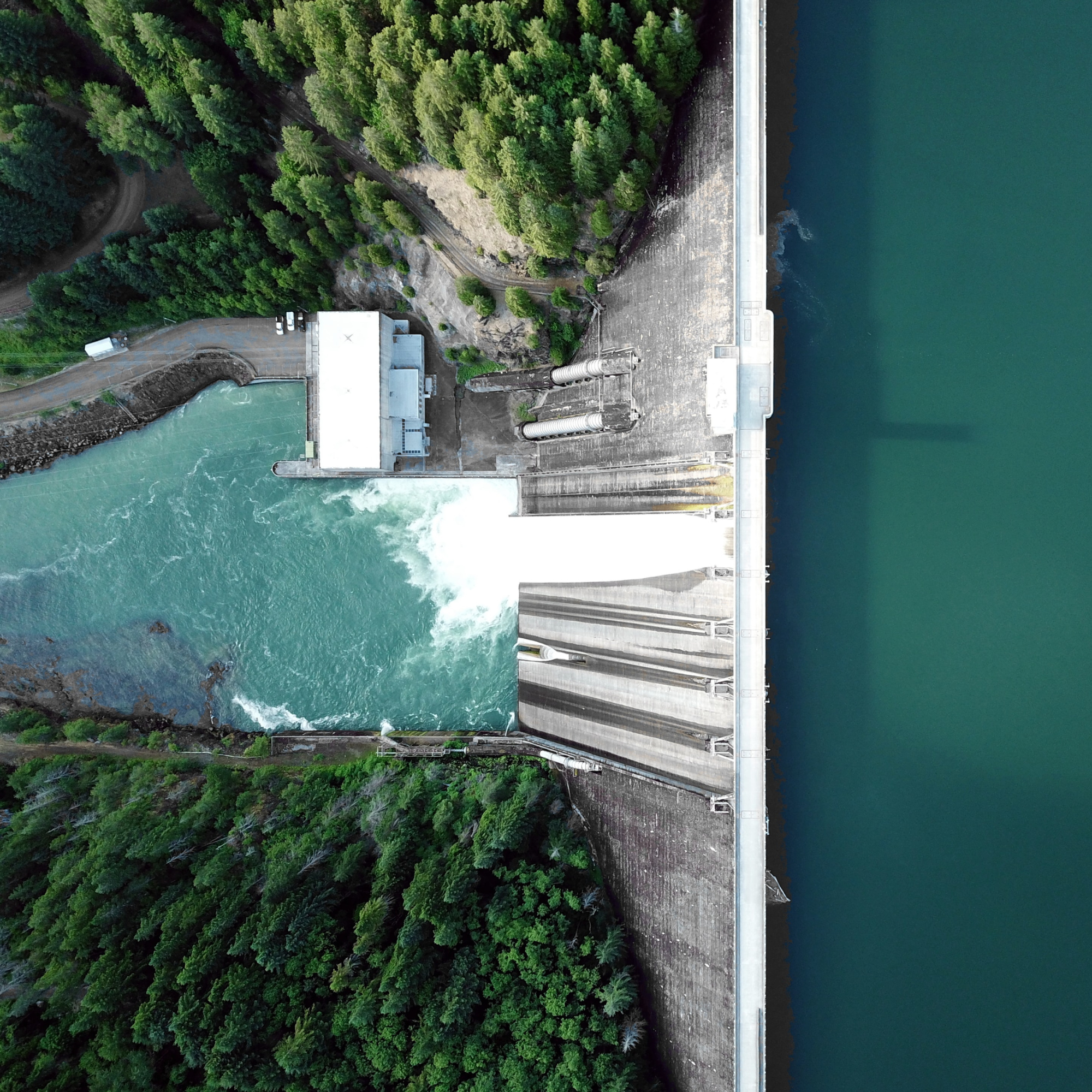 Hydropower: Hydropower is electricity generated by harnessing the kinetic or potential energy of flowing or falling water through turbines in rivers, dams or tidal systems. In Australia, hydropower contributes around 6-7% of national electricity supply, with key facilities like the Snowy Mountains Scheme and Tasmanian hydro assets offering dispatchable renewable power and pumped storage to balance variable solar and wind generation. This type of energy production creates demand for hydropower engineers, turbine‑maintenance technicians, water‑flow modellers and grid‑dispatch operators who ensure reliable output amid climate variability and infrastructure upgrades.
Just transition: A just transition is a framework for managing the shift to a low‑carbon economy in a way that protects workers, communities and regions impacted by the phase‑out of fossil fuels, ensuring equitable access to new jobs, skills and economic opportunities. Across Australia, just transition initiatives like those in Collie and the Hunter Valley aim to diversify coal‑reliant economies through retraining, renewable‑project funding and community support, aligning with net‑zero goals while addressing regional disadvantage.
Kilowatt-peak (kWp): Kilowatt‑peak (kWp) is the standard measure of a solar PV system’s maximum power output under ideal laboratory conditions: 1,000 W/m² irradiance, 25°C cell temperature and specific air mass.
Large-scale Generation Certificate: A Large‑scale Generation Certificate (LGC) is a tradable financial instrument issued under Australia’s Renewable Energy Target. Each LGC represents one megawatt‑hour (MWh) of eligible renewable electricity which has been generated by an accredited large‑scale power station such as a wind farm or solar plant. Across the Large‑scale Renewable Energy Target (LRET), LGCs drive investment in utility‑scale renewables by allowing liable entities like electricity retailers to meet compliance obligations, with over 33 million required annually to achieve mandated generation levels.
Levelised cost of energy: The Levelised Cost of Energy (LCOE) is a financial metric that calculates the average net present cost of electricity generation from a powerplant or system over its entire lifetime, divided by the total energy produced, accounting for capital, operations, maintenance and fuel expenses. The regulation and analysis reuired necessitates specialised roletypes including energy‑economists, financial modellers, technology‑cost analysts and project‑finance specialists who evaluate viability and optimise portfolios for developers and investors.
Megawatt: A megawatt (MW) is a unit of power equal to one million watts (10⁶ W). It is widely used to measure the output or capacity of medium‑to large‑scale power plants, wind turbines and solar arrays.
National electricity market: The National Electricity Market (NEM) is Australia’s wholesale electricity market that coordinates the supply, dispatch and trading of power across the interconnected eastern and southern states, serving over nine million customers through a shared grid. Spanning Queensland, New South Wales, Victoria, South Australia and Tasmania, the NEM operates as a competitive spot market with five‑minute settlements, five‑second dispatch and ancillary services to balance supply, demand and renewables growth. This dynamic system creates demand for NEM‑trading analysts, market‑operations engineers, dispatch coordinators and regulatory specialists who ensure reliability, pricing and integration of clean energy.
Net-zero emissions: Net‑zero emissions is a state where the amount of greenhouse gases emitted into the atmosphere is balanced by an equivalent amount removed; typically achieved through deep cuts to emissions combined with carbon capture, offsets or nature‑based sinks. Australia has made a federal commitment to achieve net zero by 2050, backed by individual state targets and sector‑specific roadmaps. This is a critical factor behind the country's policy, investment and innovation in renewables, hydrogen, electrification and carbon farming to limit warming to 1.5°C.
New South Wales Renewable Energy Target: The New South Wales Renewable Energy Target aims for 50% renewable electricity by 2030 and net zero emissions by 2050, with plans for 16GW of new clean generation capacity to replace retiring coal plants. This policy is mobilising wind, solar and storage projects across the state, with the backing of the Electricity Infrastructure Roadmap and tenders for firming capacity.
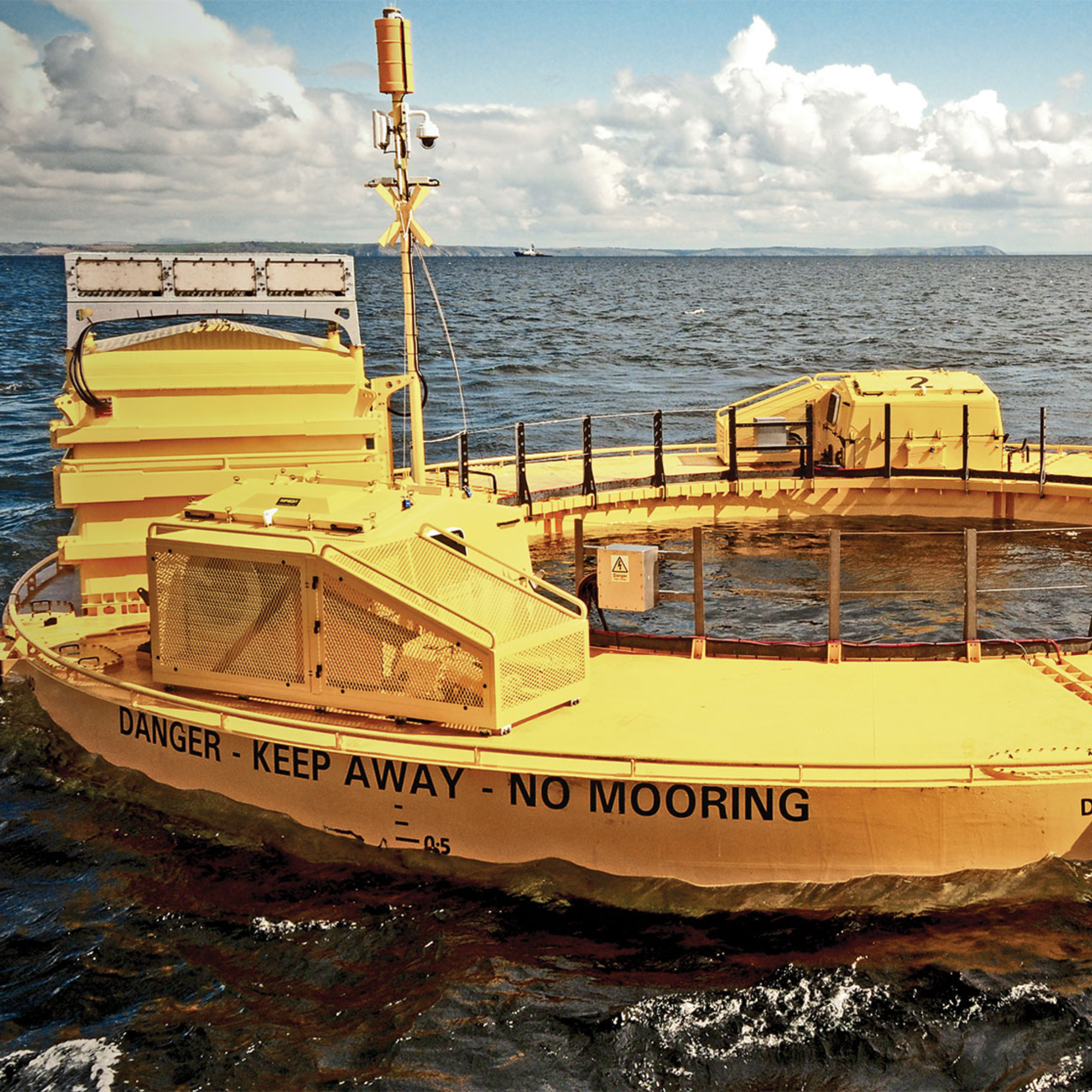
Ocean energy: Ocean or marine power harnesses renewable energy from the sea through wave motion, tidal currents, ocean thermal gradients or salinity differences, using devices like oscillating water columns, tidal turbines or submerged generators. In Australia, marine energy is emerging with wave and tidal pilots in Tasmania (such as the Tamar River turbine tests) and Western Australia’s Albany M4 wave demonstrator, tapping vast southern coast resources to complement wind and solar for remote grids and blue economy growth.
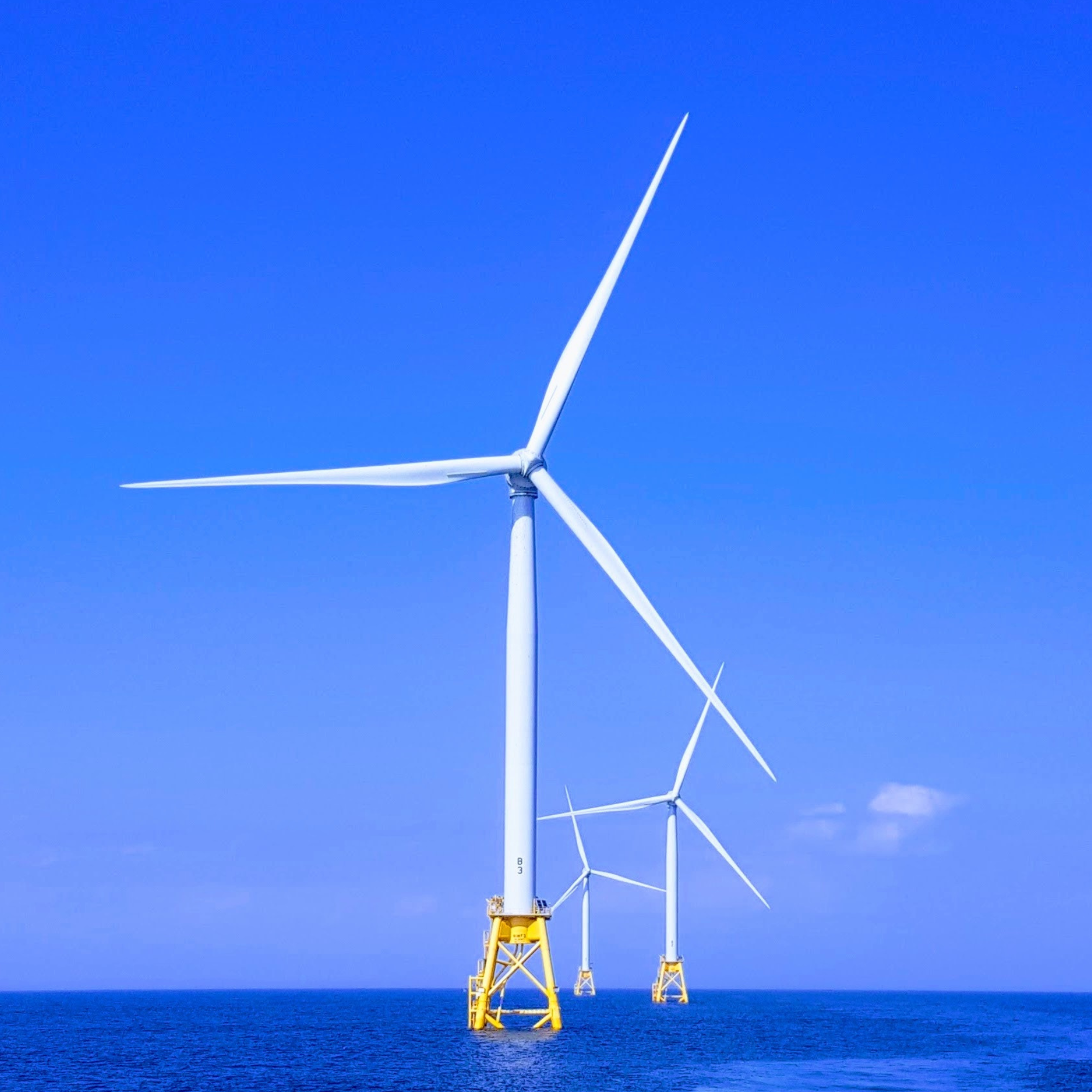
Offshore wind: Offshore wind involves electricity generation from turbines installed in marine environments, such as oceans or coastal waters, where stronger and more consistent winds enable higher capacity factors than onshore sites. In Australia, offshore wind remains an emerging energy source but is gathering momentum, with feasibility licences awarded for 50GW potential off New South Wales, Victoria and Tasmania coasts, with projects expected to come to fruition in 2030 to complement onshore renewables and support net‑zero exports. Among the most essential roletypes in this include offshore wind engineers, marine foundation specialists, project‑permitting experts and supply‑chain managers who navigate complex maritime approvals, installation and operations.
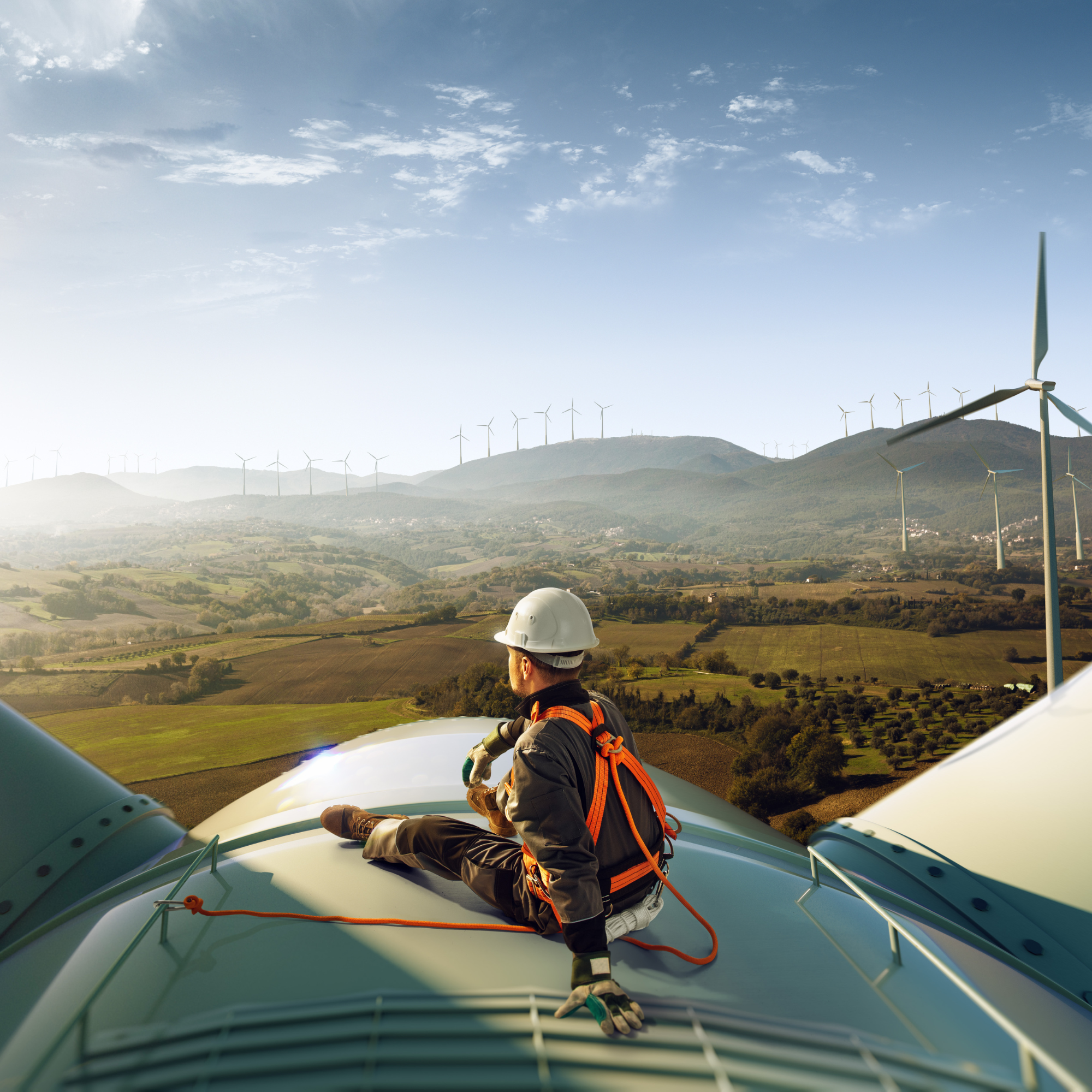
Onshore wind: Onshore wind refers to electricity generation from wind turbines sited on land, harnessing kinetic energy from wind to drive generators via rotor blades and gearboxes. Adoption of onshore wind within Australia has increased rapidly in recent years and it is now capable of generating over 10GW, powering 14% of the National Electricity Market via projects in wind‑rich states like South Australia and Victoria, supported by competitive levelised costs and transmission upgrades. Key role types associated with wind‑farm developers, turbine technicians, site‑assessment meteorologists and operations‑and‑maintenance engineers who optimise performance, grid connections and community approvals.
Photovoltaic / Solar PV: Photovoltaic (PV), or solar PV, is a technology that converts sunlight directly into electricity using semiconductor solar cells, typically arranged in panels or modules. Across Australia, solar PV dominates the residential market with over four million rooftop installations generating a combined 40GW.
Queensland Renewable Energy Target: The Queensland Renewable Energy Target (QRET) is a state policy mandating that 50% of the state’s electricity comes from renewables by 2030, increasing to 70% by 2032 and 80% by 2035, legislated through the Queensland Energy and Jobs Plan. This ambitious roadmap is mobilising $400 million in goverment funding specifically in renewable energy and storage investment projects. The policy seeks to position Queensland as a renewable superpower while creating tens of thousands of jobs in construction, operations and supply chains.
Renewable Energy Zone: A Renewable Energy Zone (REZ) is a designated geographic area with high‑quality renewable resources, such as wind or solar, where large‑scale generation, storage and transmission infrastructure are coordinated to optimise development, reduce costs and accelerate clean energy deployment. Australia has multiple REZs operating in New South Wales (5), Victoria (6), Queensland (12), with further potentially being developed in Tasmania and Western Australia.
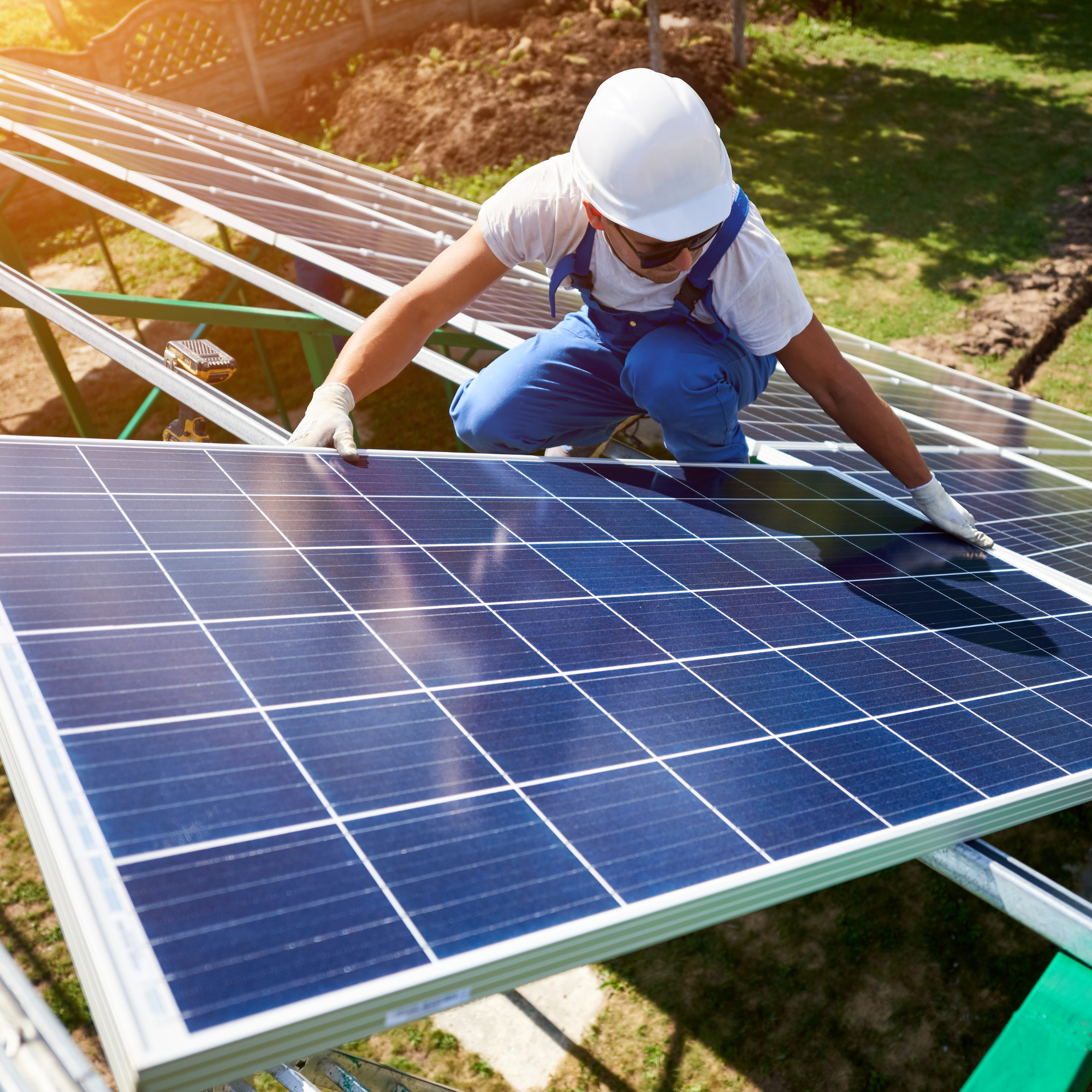
Solar power/energy: Australia is the world's leading adoptor of residential solar adoption on a per‑capita basis. Australian rooftop Pvproduces over 40GW, while utility‑scale farms top up a further 15GW to power homes, businesses and the grid with driving down the cost to consumers.
South Australia Renewable Energy Target: South Australia’s target is 100% net renewable electricity generation by 2030, already achieving highs of 100% instantaneous renewables through wind, solar and the Hornsdale Big Battery. The state leads with hydrogen hubs and grid‑forming tech, exporting surplus clean power via interconnectors.
Sustainable aviation fuel: Sustainable Aviation Fuel (SAF) is a drop‑in alternative to conventional jet fuel, which is produced from renewable or waste feedstocks like used cooking oil, agricultural residues or municipal waste. Its adoption has the potential to reduce greenhouse gas emissions by up to 80%. Across Australia, SAF development is accelerating with projects like HAMR Energy’s $700–800 million plant in South Australia and Jet Zero’s and Licella's refinery facilities in Queensland and Victoria, supported by government funding to decarbonise aviation and create regional jobs.
Tasmanian Renewable Energy Target: Unlike most other locations who seek to achieve 100% renewably generated power, Tasmania has targetted 200% (double its energy consumption) renewable generation by 2040, leveraging hydro dominance and new wind farms like Robbins Island to export via Marinus Link. This world‑leading ambition positions the state as a renewable exporter. Tasmania expects to reach 150% by 2030.
Unscheduled generation: Unscheduled generation refers to electricity output from non‑scheduled generators, typically smaller than 30MW, intermittent renewables like rooftop solar or industrial by‑product power, that do not bid into AEMO’s central dispatch process but self‑manage their output subject to forecasting and reserve contracts. This category influences demand for forecasting modellers, reserve contract managers and grid visibility analysts who integrate non‑dispatchable supply into market operations.
Victorian Renewable Energy Target: Victoria’s Renewable Energy Target (VRET) mandates 65% renewables by 2030 and 95% by 2035, building on the 40% by 2025 goal through offshore wind auctions, rooftop solar rebates and public housing retrofits.
Virtual power plant: A Virtual Power Plant (VPP) is a cloud‑based network that aggregates and intelligently coordinates distributed energy resources, such as rooftop solar, home batteries, electric vehicles and smart appliances. It acts as a single, flexible grid asset for energy trading, demand response and ancillary services. In Australia, VPPs such as Tesla’s South Australia project and AGL’s Adelaide pilot are scaling to megawatt levels, optimising consumer assets for peak shaving, frequency control and wholesale market participation amid high rooftop solar uptake.
Western Australia Renewable Energy Target: Western Australia aims for 80% renewables by 2030 in its Wholesale Electricity Market (WEM), replacing coal with solar, wind and storage amid net zero by 2050 goals. Local councils and growers push for faster rollout, focusing on rooftop solar and distributed energy.
Wholesale Electricity Market: The Wholesale Electricity Market (WEM) is a competitive exchange where generators sell bulk electricity to retailers, large consumers and traders. Prices are determined by real‑time supply, demand and dispatch rules set by the market operator. In Australia, the WEM serves Western Australia’s South West Interconnected System with half‑hourly trading and capacity payments.
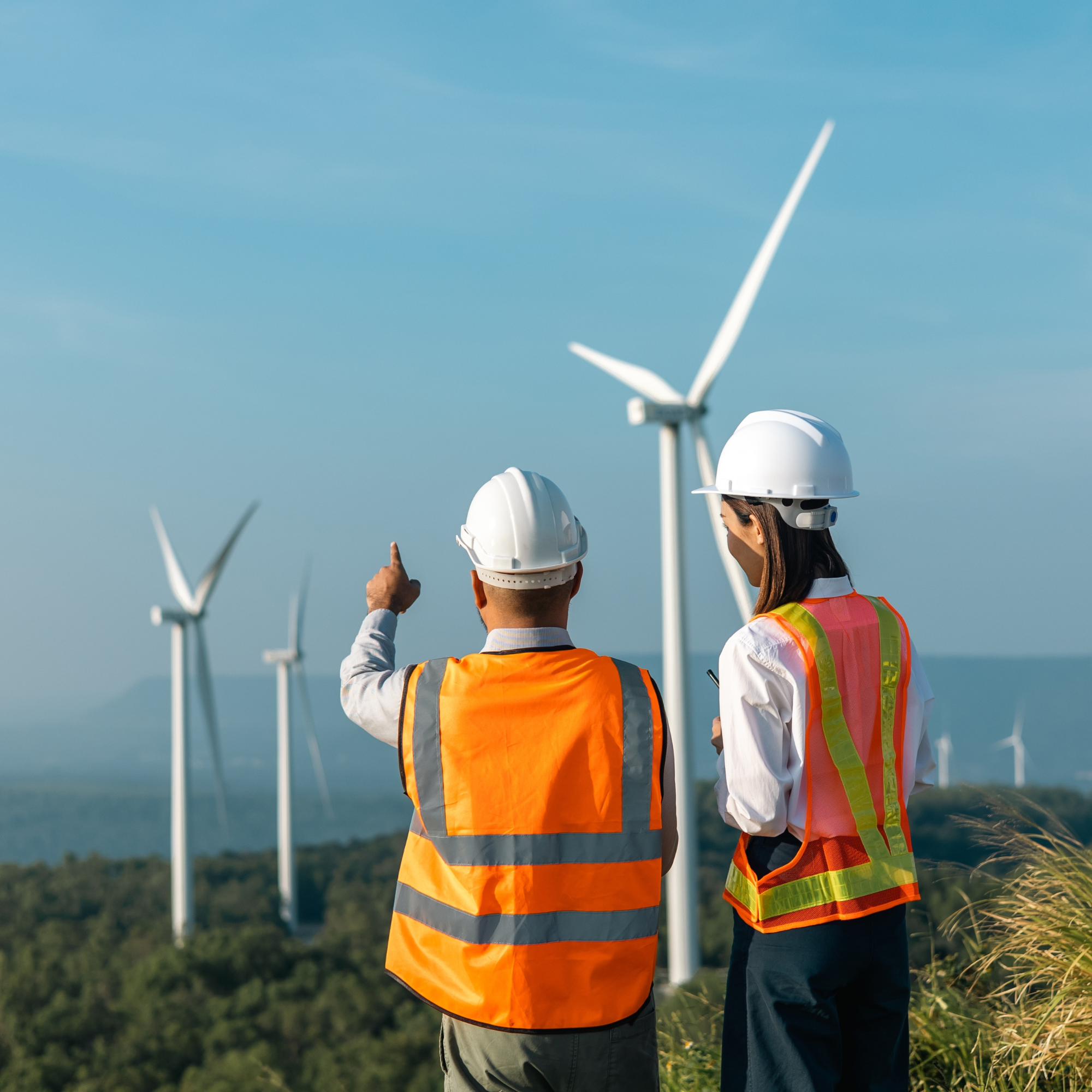
Wind energy: Wind energy converts the kinetic energy in moving air into electricity using onshore and offshore wind farms, where turbines capture wind flow to spin rotor blades, drive generators and export power to the grid. This mature renewable technology is one of Australia’s largest clean‑energy sources, with more than 13GW installed capacity and a central role in the national 82% renewables‑by‑2030 target.
Wind turbine: A wind turbine is a rotary machine that converts wind’s kinetic energy into electricity via aerodynamically designed blades driving a rotor connected to a generator, typically mounted on towers 80 – 150 metres tall.
Looking for a job in Renewable Energy?
Brunel can connect you with a range of Renewable industry employment opportunities throughout Australia.
Interesting Renewable articles
Need help sourcing renewable talent?
Brunel's renewable industry experts can connect you with personnel through a variety of recruitment and staffing solution models.